
Wildlife
Explore the Wild Know the Creatures Life in Jungle Uncover the Wild |

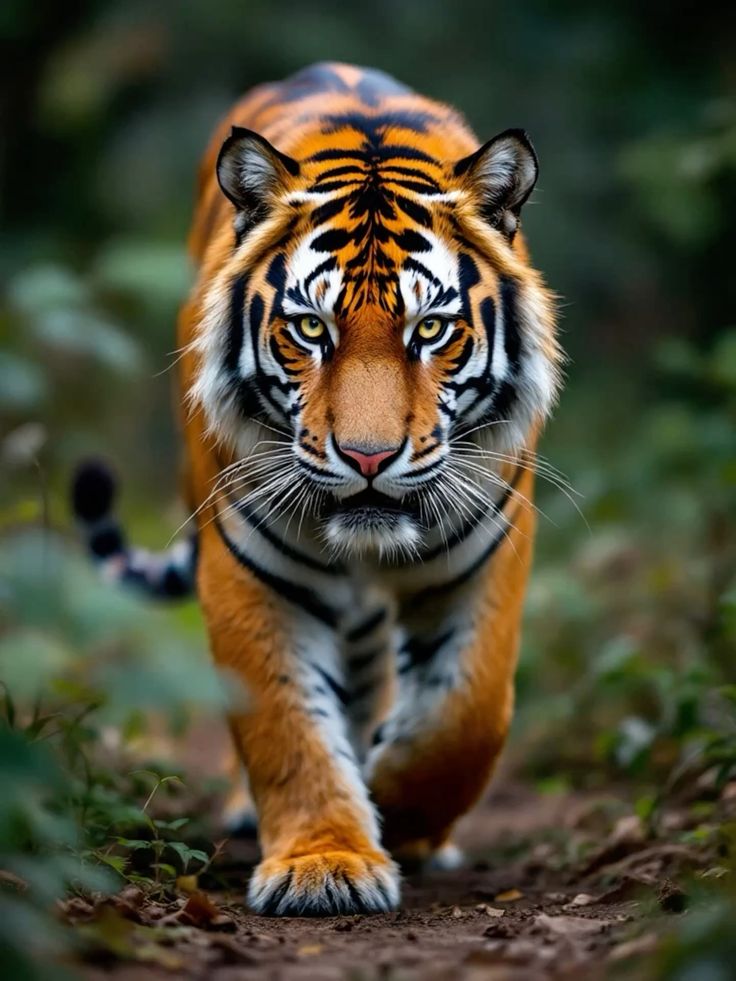
Big Cats

Big cats are powerful wild animals like lions, tigers, and leopards. They are expert hunters with sharp claws and teeth. Many are endangered due to habitat loss and poaching.
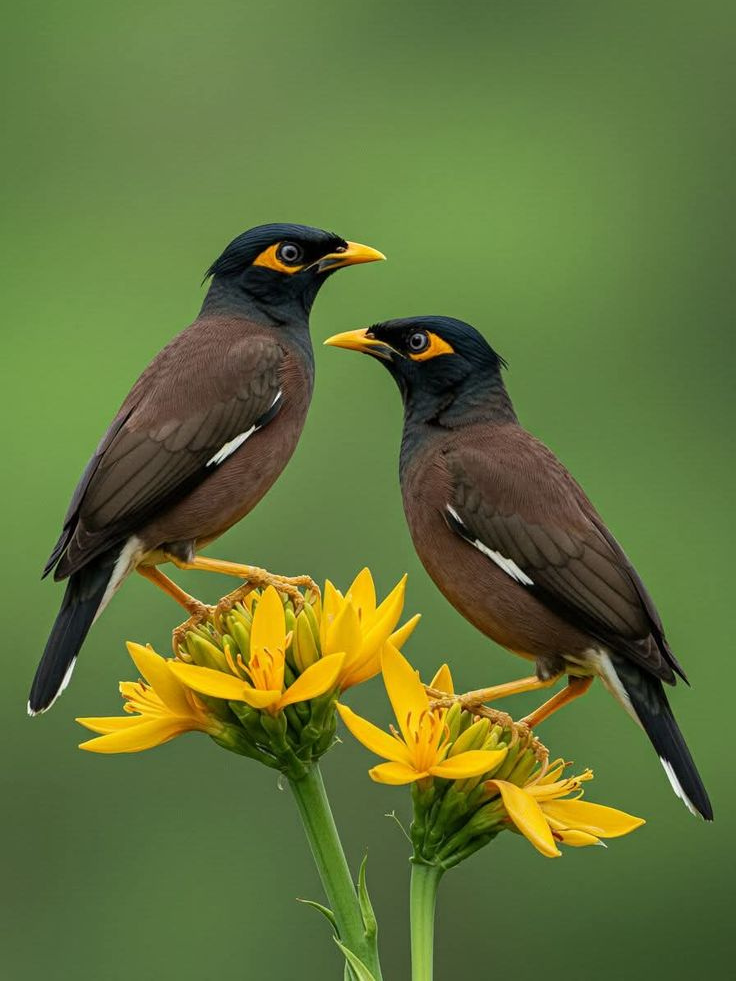
Birds

Birds are animals with feathers, wings, and beaks. Most birds can fly and build nests to lay eggs. They are found all over the world in different colors and sizes.
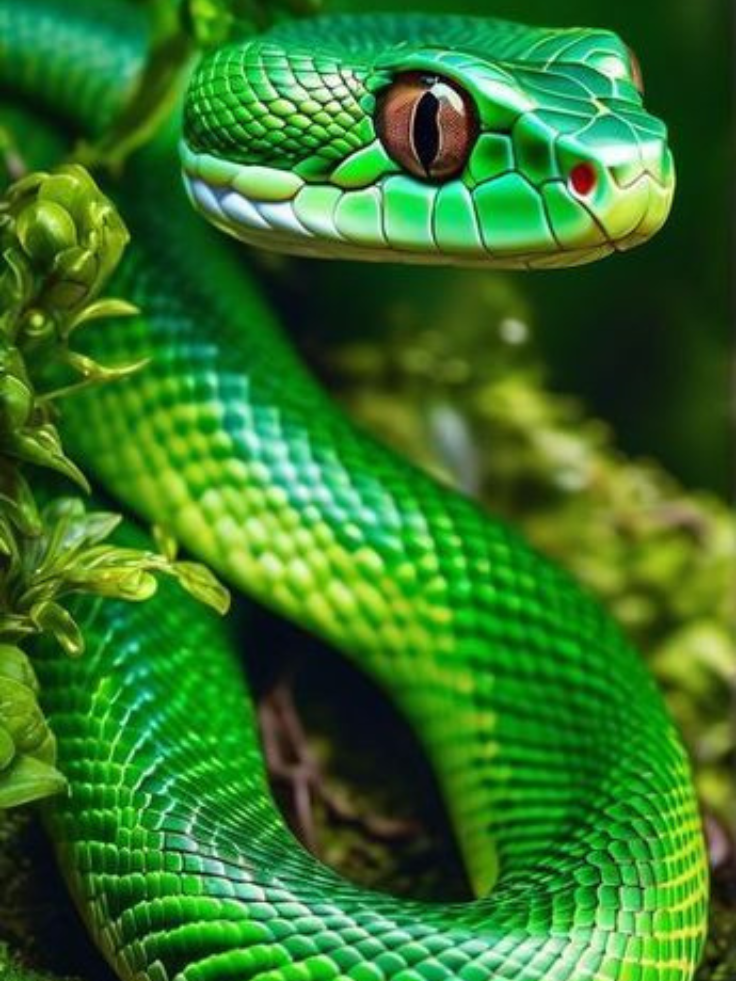
Reptiles

Reptiles are cold-blooded animals like snakes, lizards, and crocodiles. They have scaly skin and usually lay eggs on land. Most reptiles live in warm places and move by crawling or slithering.
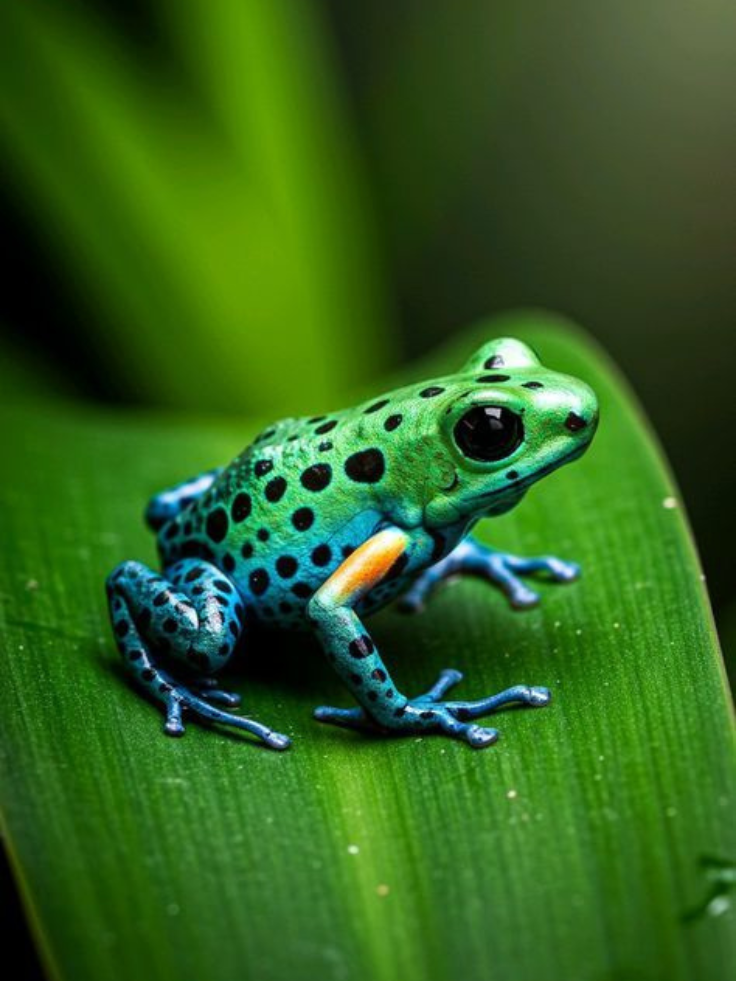
Amphibians

Amphibians are cold-blooded animals like frogs, toads, and salamanders. They live both in water and on land during different stages of life. Their skin is smooth and moist, and they usually lay eggs in water.
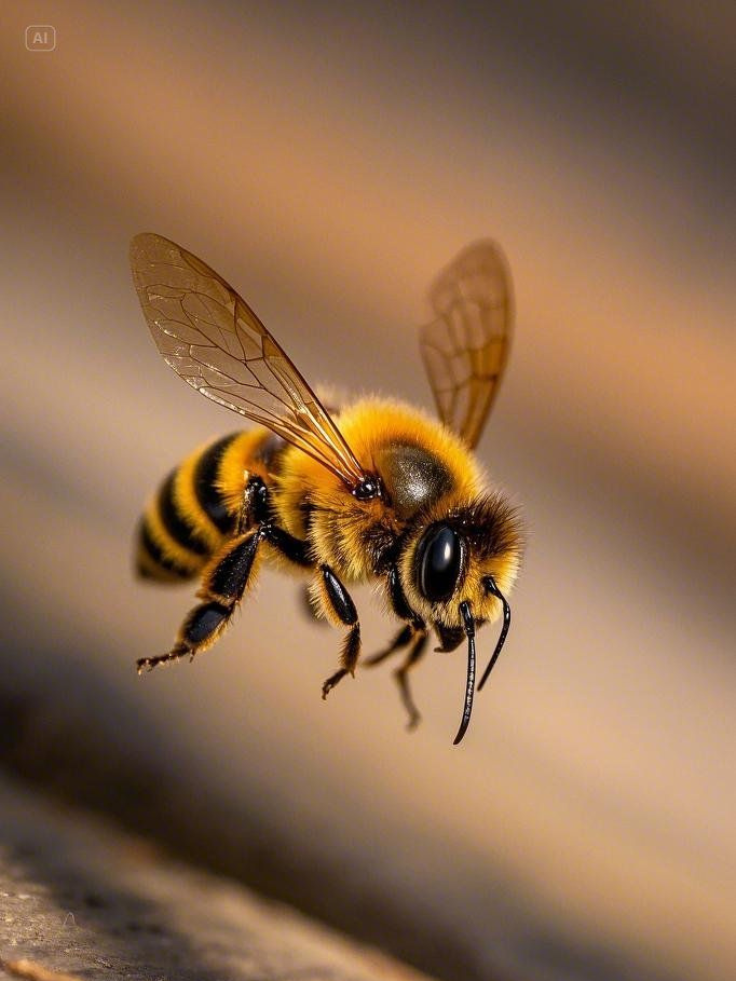
Insects

Insects are small animals with six legs and three body parts. They often have wings and antennae, like butterflies, ants, and bees. Insects are found almost everywhere and play important roles in nature.
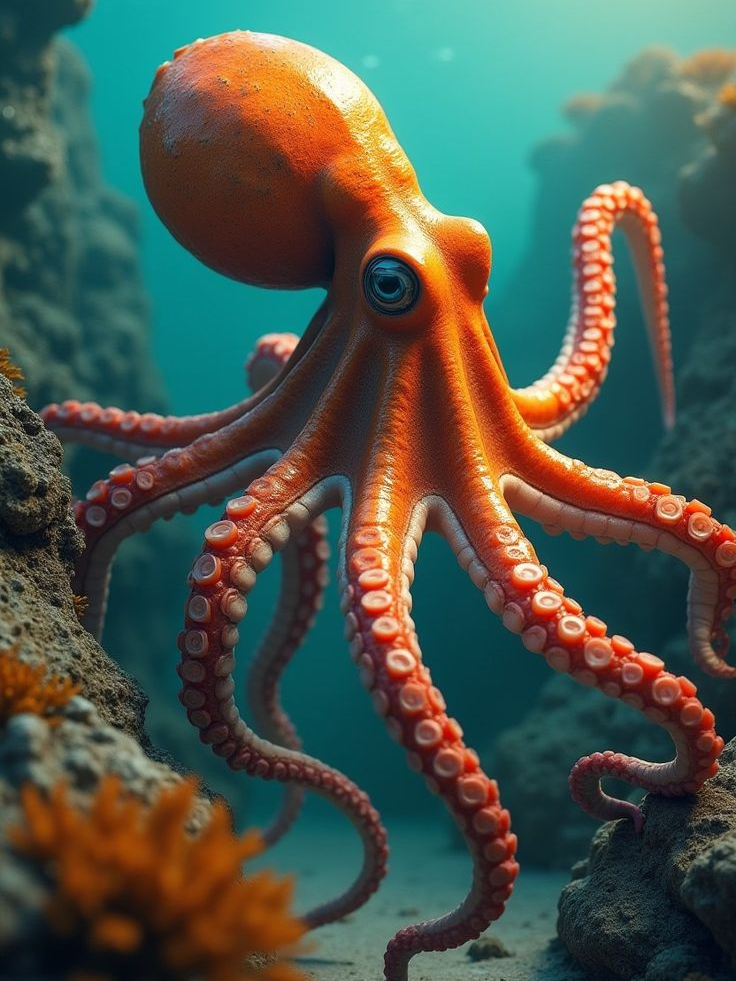
Aquatic Animals

Aquatic animals live in water, like fish, dolphins, and octopuses. They breathe through gills or lungs, depending on the species. These animals are found in oceans, rivers, lakes, and ponds.
Why Learn About Animals?

In their quiet grace or fierce survival, animals show us nature’s design in motion. From mighty elephants to tiny ants, each species plays its part in the grand balance. Understanding them offers us more than facts — it inspires care, respect, and wonder. As children stare wide-eyed at creatures of forest or sea, they connect to life beyond walls and screens. Not merely for books or zoos, but for living planet’s harmony, animals are lessons walking, crawling, flying, swimming. Kindness towards them awakens kindness within. A curious glance at a bird or lizard may bloom into empathy. In knowing them, we know our world. And perhaps, just perhaps, we know ourselves a little more too.

Why
frogs

Frogs help control insects like mosquitoes and are food for other animals. They show if the environment is healthy, as they are sensitive to pollution. Frogs are important for keeping nature balanced.

Birds Migrate Thousands of Kilometres?

How Do Birds Migrate Thousands of Kilometres?

Birds migrate thousands of kilometres using the sun, stars, and Earth's magnetic field to guide them.
They fly in groups, rest in between, and store energy by eating a lot before the journey.
This amazing journey helps them find food and better weather to survive.

Elephants Communicate

How Do Elephants Communicate with Each Other?

Elephants communicate using sounds, body movements, and even vibrations through the ground.
They trumpet, rumble, flap their ears, and touch each other gently.
This helps them stay connected, warn of danger, and show care in their herd.

Scroll to Top